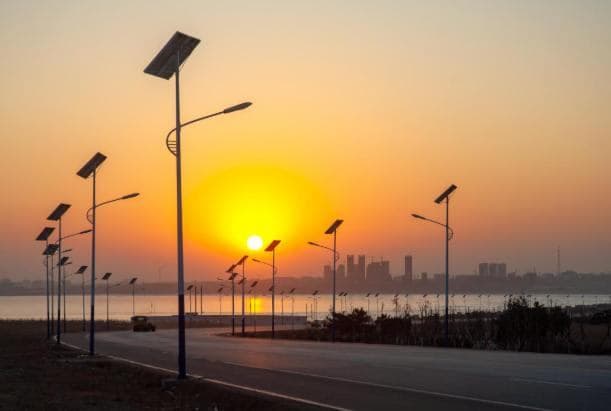
Are Street Lamps Solar Powered in Canada?
Canadian municipalities are increasingly turning to solar street lighting, but the country's long winters and variable sunlight raise real questions about performance. Here's what the data says.
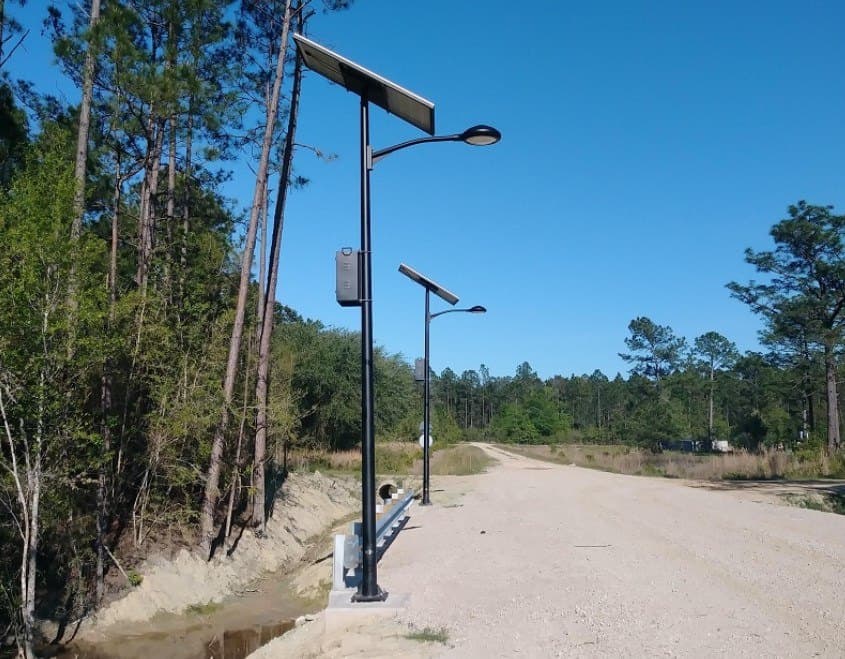
Canada has moved renewable energy from a talking point to a line item in municipal budgets, and street lighting has been part of that shift. A growing number of Canadian cities and towns now treat solar-powered street lamps as a legitimate alternative to traditional grid-tied fixtures rather than an experimental one, though the country's climate raises fair questions about how well solar performs through a real Canadian winter.
How the Technology Holds Up
Solar street lamps capture sunlight during daylight hours and store the energy in an onboard battery for nighttime use, which cuts grid electricity reliance and lowers operating costs regardless of climate. That said, Canada's long winters and periods of low daylight genuinely do reduce charging efficiency, and any system specified for a northern latitude needs enough battery capacity and panel area to carry through several consecutive gray days, not just an average sunny one.
Where Canada Stands Today
- ✓Toronto has piloted solar street lamps in parks and public spaces as part of broader green-infrastructure initiatives.
- ✓Vancouver has folded solar lighting into its sustainability programs across city green space.
- ✓Smaller and more remote communities, often the towns with the highest cost of extending grid infrastructure, have adopted solar lighting specifically for safety without a matching jump in electrical build-out costs.
The Numbers Behind the Shift
| Metric | Figure |
|---|---|
| Share of new lighting installations that were solar (2023) | Roughly 10% |
| Projected share by 2025 | Roughly 20% |
| Potential municipal savings on street lighting costs over 20 years | Up to 50%, per a Canadian Solar Industries Association study |
| CO2 reduction from replacing 100,000 traditional lamps | Roughly 22,000 tons annually |
| Typical daily energy generation per unit | 3-6 kWh, depending on location and sunlight |
The Real Challenges
None of this is frictionless. Upfront costs remain higher than for a conventional fixture, which is a genuine barrier for smaller municipal budgets even when the long-term math favors solar. Climate variability across such a large country means a system that performs well in coastal British Columbia may need a larger battery bank to perform the same way in Manitoba or the Yukon. And because battery and panel technology keeps improving, a municipality specifying solar lighting today needs to stay current on what a modern system can actually deliver rather than pricing against older assumptions.
Where This Is Headed
Declining solar panel costs, improving battery storage, and mounting environmental pressure are pushing more Canadian cities toward solar street lighting every year, and government incentive programs are shortening the payback period further. Canada's climate makes solar a harder engineering problem than it is in, say, Nevada or Arizona, but the data so far suggests it's a solvable one, and more Canadian municipalities are reaching that conclusion on their own lighting contracts.
Professional Consultation
Fill in your project details and one of our lighting experts will get back to you within 24 hours.
Questions? Call us at 949-609-9636
Financing Available
Greenshine partnered with Balboa Capital, a top-rated direct lender, to offer fast, easy, and affordable equipment financing options.
Learn more →