Harmony in Illumination: The Perfect Symbiosis of Solar and LED Lighting
As we navigate the challenges of a rapidly changing world, the perfect symbiosis of solar and LED lighting stands as a shining example of technological harmony.
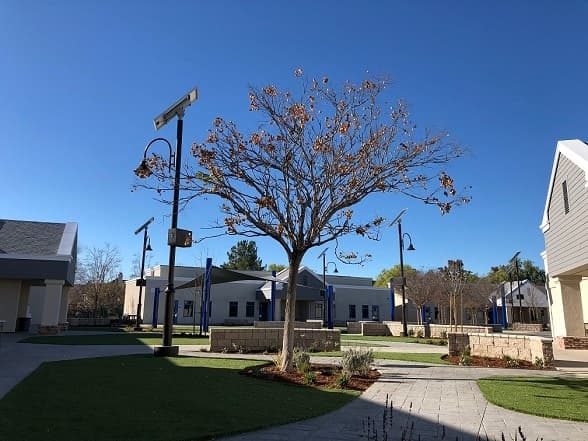
In the ever-evolving landscape of sustainable technology, the union of solar and LED lighting stands as a beacon of innovation. This powerful duo not only illuminates our surroundings but also paves the way for a greener and more energy-efficient future. Let's delve into the seamless integration of solar power and LED lighting, exploring how this perfect symbiosis is reshaping the way we light up the world.
1. Harnessing the Sun's Power: The Solar Revolution
Solar power has long been championed as a clean and renewable energy source. With the advancement of solar technology, capturing the sun's energy has become more efficient and affordable. Solar panels, strategically positioned to absorb sunlight during the day, convert this energy into electricity, creating a sustainable and eco-friendly power source.
2. LED Lighting: Efficiency in Every Ray of Light
Enter Light Emitting Diodes (LEDs), the champions of energy-efficient illumination. LEDs have revolutionized the lighting industry by providing brighter and more durable lighting with significantly lower energy consumption. Their longevity and ability to emit light in a specific direction make them ideal for various applications, from street lighting to indoor fixtures.
3. The Perfect Marriage: How Solar and LED Lighting Work Together
The synergy begins with solar panels collecting sunlight, and converting it into electrical energy stored in batteries. As the sun sets, and conventional power sources become less accessible or more expensive, LED lights powered by stored solar energy take the stage. This harmonious relationship ensures a continuous and sustainable lighting solution, even during cloudy days or at night.
4. Environmental Benefits: A Green Illumination Solution
The combination of solar and LED lighting brings forth a myriad of environmental benefits. Reduced carbon footprint, lower energy consumption, and the elimination of hazardous materials commonly found in traditional lighting sources contribute to a cleaner, greener planet. This environmentally conscious approach aligns with the global push for sustainable practices and a reduced ecological impact.
5. Versatility in Design and Application
Beyond its eco-friendly attributes, the symbiosis of solar and LED lighting offers unparalleled versatility in design and application. From urban landscapes to remote areas, the flexibility of this duo allows for creative and effective lighting solutions tailored to diverse environments and needs.
6. Economic Advantages: Long-Term Savings and Independence
Investing in solar and LED lighting translates into long-term economic benefits. The reduced dependence on conventional power sources leads to significant cost savings over time. Moreover, the durability and low maintenance requirements of LED lights contribute to extended product lifespans, ensuring a sustainable and economically sound lighting solution.
How do you connect LED lights to solar panels?
Connecting LED lights to solar panels involves a straightforward process, typically requiring a few essential components to ensure a reliable and efficient system. Here is a step-by-step guide on how to connect LED lights to solar panels:
Materials Needed:
- ✓Solar Panels : Capture sunlight and convert it into electrical energy.
- ✓Charge Controller: Regulates the voltage and current from the solar panels to prevent overcharging of the batteries.
- ✓Deep Cycle Batteries: Store excess energy generated by the solar panels for later use.
- ✓Inverter (Optional): Converts direct current (DC) from the batteries into alternating current (AC) for certain types of LED lights.
- ✓LED Lights: Energy-efficient light fixtures that run on direct current (DC).
Step-by-Step Guide:
1. Position the Solar Panels:
- ✓Install the solar panels in a location that receives optimal sunlight exposure throughout the day. Ensure they are securely mounted and angled for maximum sunlight absorption.
2. Connect Solar Panels to Charge Controller:
- ✓Connect the positive (+) and negative (-) leads from the solar panels to the corresponding terminals on the charge controller. The charge controller prevents overcharging of the batteries.
3. Connect Charge Controller to Batteries:
- ✓Connect the charge controller to the deep cycle batteries. Ensure the positive and negative terminals match appropriately.
4. Connect Batteries to Inverter (If Used):
- ✓If an inverter is used to convert DC to AC power, connect the batteries to the inverter. Follow the manufacturer's instructions for proper connections.
5. Connect Inverter (If Used) to LED Lights:
- ✓If an inverter is part of the system, connect it to the LED lights. Some LED lights operate on DC power directly, while others may require AC power. Adjust the connections accordingly.
6. Direct Connection to LED Lights (If No Inverter):
- ✓If an inverter is not used, connect the DC output directly from the batteries or charge controller to the LED lights. Ensure correct polarity (positive to positive, negative to negative).
7. Test the System:
- ✓Turn on the LED lights to ensure they are receiving power from the solar panels and batteries. If using an inverter, check for proper AC power output.
Tips:
- ✓Use appropriate wire sizes to minimize energy loss in the connections.
- ✓Consider using LED lights designed for off-grid or solar applications for optimal efficiency.
- ✓Periodically check connections and clean solar panels to maintain system performance.
Are LED lights 100% efficient?
No, LED lights are not 100% efficient. While they are highly energy-efficient compared to traditional lighting technologies like incandescent and fluorescent lights, they still have some losses and limitations.
The efficiency of an LED light is typically measured by its luminous efficacy, which is the amount of visible light (lumens) produced per unit of electrical power (watt). LED lights are known for their high luminous efficacy, often surpassing traditional lighting technologies.
The efficiency of LED lights can vary based on several factors, including the design of the LED chip, the quality of the phosphor coating (for white LEDs), and the effectiveness of the heat sink in dissipating heat. Some factors that contribute to less-than-100% efficiency include:
- ✓Heat Generation: While LEDs produce less heat compared to traditional lights, they still generate some heat. The efficiency of an LED decreases as more energy is converted into heat rather than visible light. Proper thermal management, such as heat sinks, is crucial to maintaining LED efficiency.
- ✓Color Temperature and Quality: Achieving specific color temperatures or color rendering indices may result in some energy loss. Warmer or cooler light temperatures and high color rendering capabilities can impact the overall efficiency of an LED.
- ✓Driver Losses: LED drivers, which regulate the electrical current flowing through the LED, can introduce some losses. High-quality drivers are designed to minimize these losses.
- ✓Manufacturing Variations: Variations in the manufacturing process and the quality of materials can affect the overall efficiency of LED lights. Higher-quality LEDs tend to have better efficiency.
Conclusion: Lighting the Path to a Sustainable Future
As we navigate the challenges of a rapidly changing world, the perfect symbiosis of solar and LED lighting stands as a shining example of technological harmony. This powerful combination not only illuminates our surroundings but also lights the way toward a future where sustainability, efficiency, and innovation coexist seamlessly. Together, solar and LED lighting illuminate not just spaces but the path to a brighter, greener tomorrow.
Professional Consultation
Fill in your project details and one of our lighting experts will get back to you within 24 hours.
Questions? Call us at 949-609-9636
Financing Available
Greenshine partnered with Balboa Capital, a top-rated direct lender, to offer fast, easy, and affordable equipment financing options.
Learn more →Related Articles
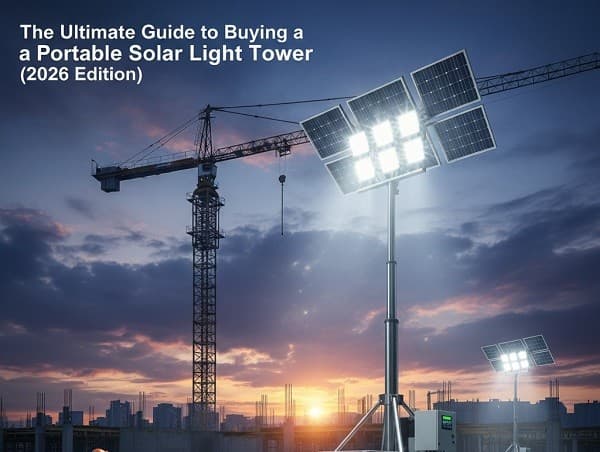
The Ultimate Guide to Buying a Portable Solar Light Tower (2026 Edition)
Buying a portable solar light tower in 2026 is one of the smartest moves a project manager can make. It solves the headache of fuel logistics, eliminates noise complaints, and slashes long-term costs.
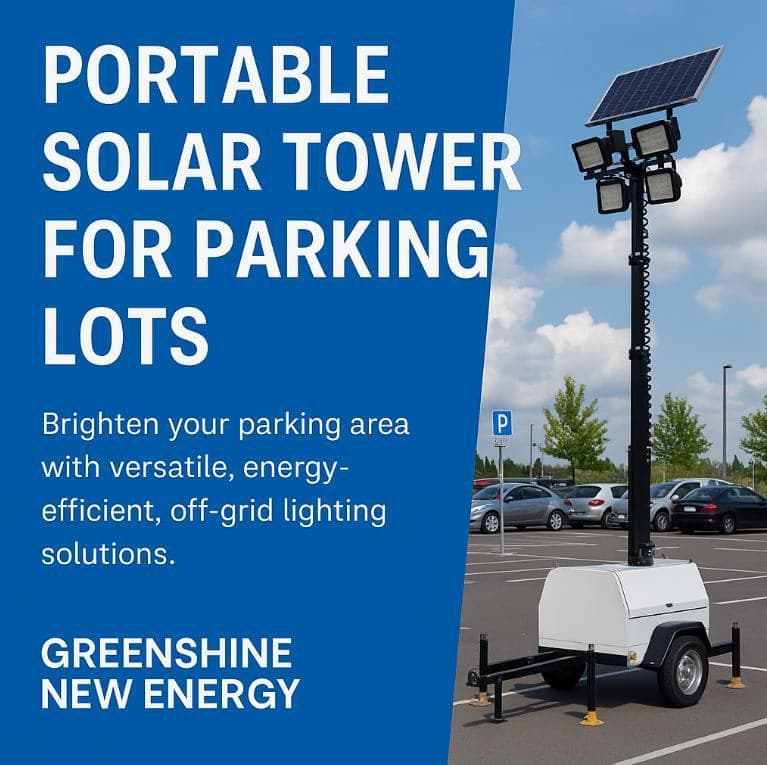
Portable Solar Tower for Parking Lots
At Greenshine New Energy, we provide mobile and portable solar light towers designed to deliver bright, sustainable light anywhere — without wiring, fuel, or utility costs.
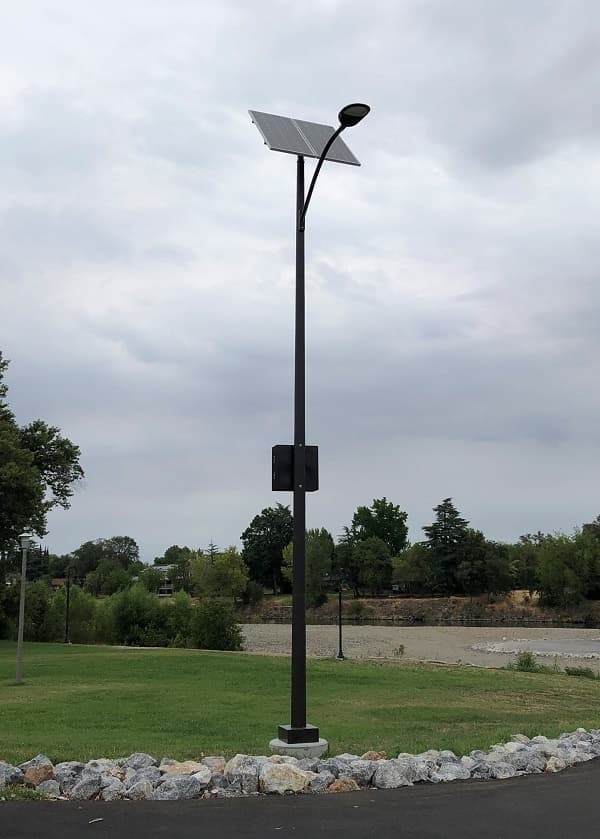
How Tall Are Solar Street Lights and Why It Matters for Your Project
Most solar street lights range from 12 to 30 feet, but the best performance comes from choosing a system designed for your project’s exact conditions — not a one-size-fits-all model.